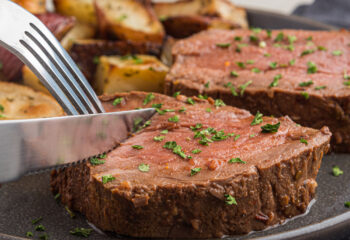
Protein is one of the most talked-about nutrients in health and fitness, and for good reason. It plays a central role in muscle health, metabolism, immune function, hormone production, and overall body composition. But despite all the attention, many people still aren’t sure how much they actually need. Is the standard recommendation enough? Do women need less than men? What if you’re training for an endurance event versus weight lifting, or using GLP-1 medications for weight loss?
As a dietitian, I can tell you this: protein needs are not one-size-fits-all. They vary based on age, activity level, muscle mass, metabolic health, body composition goals, and even whether you’re pursuing fat loss with medications, like GLP-1s. Let’s break it down in a practical, evidence-based way.
Why Protein Matters More Than You Think
Protein isn’t just about building muscle. It:
- Preserves lean body mass
- Supports metabolic rate
- Helps you feel full longer
- Stabilizes blood sugar
- Supports your immunity
- Assists recovery from exercise
Adequate protein becomes even more important during weight loss, especially for individuals using medications, like semaglutide. When appetite decreases (which is common with GLP-1 therapy), protein intake can unintentionally drop too low. That’s when muscle loss can become more likely.
Next, let’s talk numbers.
Protein Through the Ages
Children & Teens
Growing bodies need protein to support their rapid development. Most children and teens can meet needs through balanced meals that include dairy, lean meats, eggs, beans, tofu, legumes, and whole grains.
General guideline:
- 0.8–1.0 grams per kilogram (g/kg) of body weight
Other literature, like the 2025 Dietary Guidelines for Americans (DGAs), suggests teens may need 1.2-1.6 grams per kilogram (g/kg) of body weight.
Athletic teens are likely to have protein needs on the higher end of this range, especially if involved in strength training or competitive sports. Less active teens can get sufficient protein at the lower range; however, there is likely minimal downside to them eating protein at the higher end of the recommended range.
Adults (18–50 Years)
The standard Recommended Dietary Allowance (RDA) is:
- 0.8 g/kg body weight per day
For example:
- 150 lb adult (68 kg) → about 55 grams per day
However, and this is important, the RDA is the minimum to prevent deficiency, not necessarily optimal for muscle preservation, body composition, or active lifestyles.
Many adults feel and function better closer to:
- 1.0–1.2 g/kg daily
And, the 1.2-1.6 grams per kilogram (g/kg) of body weight recommendation may also be beneficial for adults.
Adults 50+
As we age, muscle loss naturally accelerates. Protein becomes protective.
Research supports:
- 1.2–1.6 g/kg daily for adults over 50
Equally important is how you spread your protein throughout the day. Aim for 25–35 grams per meal instead of eating most of it at dinner.
Protein Needs by Activity Level
Sedentary
If you’re mostly inactive:
- 0.8–1.0 g/kg
This meets your minimum protein needs.
Moderate Exercise (3–5 workouts/week)
- 1.2–1.6 g/kg
This supports muscle repair and recovery while still meeting your minimum needs.
Strength Training / Muscle Building
- 1.6–2.2 g/kg
Higher intake supports muscle protein synthesis, especially when calories are controlled.
Endurance Athletes
Long-distance runners, cyclists, or triathletes:
- 1.2–1.6 g/kg
Carbohydrates fuel performance, but protein repairs the damage that occurs during exercise. Not to mention, these athletes generally consume a high calorie count, which will naturally increase the amount of protein consumed.
Protein for Men vs. Women
Protein recommendations are based on body weight, not gender, but men often require more simply because they tend to have greater muscle mass.
However, women frequently under-consume protein, especially during:
- Perimenopause
- Menopause
- Weight loss efforts
For women pursuing GLP-1 weight loss, prioritizing protein is critical. Appetite suppression can make it easy to undereat, but muscle loss during rapid weight loss slows metabolism and makes long-term maintenance harder.
When working with clients on semaglutide, I often recommend:
- Minimum 90–110 grams daily (depending on body weight)
- Protein at every meal and snack
- A goal of 25+ grams per main meal
Preserving muscle while losing fat should always be the priority.
What Happens If You Don’t Get Enough?
Inadequate protein can lead to:
- Muscle loss
- Slower metabolism
- Increased hunger and cravings
- Poor recovery from exercise
- Hair thinning or brittle nails
- Weakened immune response
For individuals on GLP-1 injections, low protein intake can quietly undermine progress.
Less muscle = lower metabolic rate = harder long-term weight maintenance.
Protein isn’t just about aesthetics, it’s metabolic insurance.
How to Distribute Protein Throughout the Day
Instead of loading up at dinner, try this structure:
- Breakfast: 25–35g
- Lunch: 30–40g
- Dinner: 30–40g
- Snack: 15–20g
This approach improves muscle protein synthesis and keeps blood sugar stable.
Examples:
- Greek yogurt + chia seeds + nuts
- Eggs + cottage cheese + whole grain toast
- Chicken or tofu grain bowls
- Salmon + quinoa + roasted vegetables
A Simple Way to Hit 30g+ Per Meal
If meal prep feels overwhelming, or if you’re on a structured plan like a GLP-1 diet program Houston patients follow, having ready-to-go high protein options makes consistency easier.
Smart Meals offers several meals with at least 30 grams of protein, including:
- Turkey Ragu Pasta
- Hearty Butternut Squash Soup
- Beef Shepherd’s Pie
- Boneless Buffalo Wing Snack Bowl
- Banana Buckwheat Pancake Plate (high-protein breakfast option)
These meals simplify hitting your daily protein targets without overthinking macros or cooking from scratch, especially helpful for busy professionals, active adults, or anyone navigating appetite changes from weight loss medication.
If your goal is muscle preservation, improved recovery, or sustainable weight loss, aiming for 30 grams of protein per meal is a powerful place to start — and Smart Meals makes it convenient.
Kelsey Hampton Abdullah, MS, RDN, LD
Registered Dietitian
Kelsey Abdullah a registered dietitian with a Master’s in Nutrition and more than 10 years of
experience helping athletes fuel their bodies for health, energy, and performance. Kelsey’s career has taken her through a mix of exciting roles- from working one-on-one in private practice with active individuals, to teaching nutrition at SMU, to serving as the sports dietitian for several of their athletic teams.
Kelsey also helped launch the Pizza Hut corporate wellness programs at their headquarters, which gave her a unique look at how nutrition fits into busy workplaces. Before becoming a dietitian, Kelsey was a collegiate swimmer, and that love of movement has stuck with her. Kelsey has since raced in half and full marathons, plus triathlons up to the half Ironman distance. That personal background shapes the way she works today: Kelsey knows firsthand how powerful good nutrition can be, whether you’re chasing a big athletic goal or just trying to feel your best day to day.
These blogs are written to provide practical information for your daily lives, and in hopes that
you find the tips helpful for your goals. If you are looking for personalized nutrition information,
reach out for a consultation.