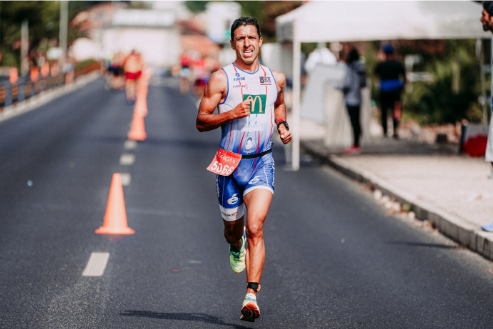
After months of training, the morning of your marathon is finally here. You’ve logged countless miles, dialed in your shoes, and perfected your pace strategy- but one of the biggest factors in how you perform on race day comes down to nutrition. What you eat and drink before, during, and after your race can make the difference between finishing strong and hitting a wall.
Whether you’re running your first marathon or chasing a personal record, proper fueling and hydration helps you maintain energy, avoid stomach issues, and recover faster. In this guide, we’ll walk through exactly how to eat the morning of your marathon, what to consume during the race, and how to refuel afterward- plus practical tips for runners traveling to a race.
The Morning of Your Race
Your pre-race breakfast is all about topping off your glycogen stores (your body’s main source of fuel during endurance exercise) while keeping digestion easy.
Timing
Aim to eat your breakfast 2.5 to 3 hours before your race start. This gives your body time to digest and convert carbohydrates into usable energy while reducing the risk of stomach cramps once you start running.
For example, if your anticipated race start is 7:00 am, plan to eat between 4-4:30 am. Yes, it is early- but it’s worth it. You can always go back to sleep for a short rest after eating if you’re staying closer to the start line.
What to Eat
Stick with foods that are:
- High in carbohydrates for easy digestion and energy
- Moderate in protein for satiety and steady energy release
- Low in fat and fiber to prevent gastrointestinal discomfort
Some reliable pre-race breakfast options include:
- Plain bagel with peanut butter, banana, and honey
- Oatmeal made with milk and topped with banana, raisins, and honey
- White rice with soy sauce and scrambled eggs/egg whites. This is especially popular amongst runners with sensitive stomachs.
If you can’t stomach solid food early in the morning, try a smoothie with oats, banana, and regular yogurt, or a carb drink mix designed for endurance athletes.
Hydration
Start sipping 16-24 ounces of fluid (water and/or an electrolyte drink) with breakfast. Continue sipping up until your race start. Avoid overhydrating by capping your total fluid at 24 ounces between breakfast and the start of your race. Overhydrating can cause bloating and dilute electrolytes, leading to cramps and hyponatremia (low sodium levels).
Right Before your Race
About 15-30 minutes before the start, have a small top-off snack. This helps maintain steady blood sugar as adrenaline kicks in and your body starts burning fuel more quickly.
Pre-Race Snack Ideas
- Half a banana or applesauce pouch
- Gel or serving of chews
- Small low-fiber granola bar
Avoid high-fat and high-fiber foods, like nuts and whole grain bars, which can slow down digestion. Stick to simple carbs that your stomach can handle easily.
If you’ve had coffee before long runs, you can have a small cup on race morning- just don’t try caffeine for the first time the morning of a race.
During your Race
This is where your fueling strategy really matters. The marathon is long enough that your stored glycogen will deplete without intra-race fueling, which can lead to the dreaded “wall”.
How Often to Fuel
Most runners benefit from consuming consistent carbs during the race rather than just when energy starts to wane. A reference range that works for most adult runners is 30-60 grams of carb per hour, starting around 30 to 45 minutes into your race.
Fueling Options
You can get carbs from:
- Energy gels (usually 20-25g carb per packets)
- Energy chews or gummies (one serving usually provides 20-25g carb)
- Sports electrolyte drinks
- Real food options, like pretzels and fig bars
Most runners opt for engineered products, like gels, chews, and sports drinks, because they are easy to carry and take little effort to consume. For those who alternate between walking and running throughout their race, solid foods can be used alternately with gels or chews.
Before starting your race, determine your fueling intervals. For example, you may choose to take your nutrition every 30 minutes or every 3 miles. Race fueling works best when taken consistently across your race rather than sporadically, or just when you are starting to hit a wall. The same goes for hydration.
If you are traveling for a race, pack the products you have trained with. Don’t rely on whatever fuel the race provides unless you have practiced with the brand.
Electrolytes
Sweat loss varies widely, but sodium is the main electrolyte lost during long runs. Replace it with:
- Sports drinks with sodium (about 350mg per 16 oz of water)
- Salt tablets or electrolyte chews during especially hot and humid races
Avoid overdrinking plain water, which can dilute sodium and other electrolytes in your body. This could lead to nausea, fatigue, and cramping.
Most adults should consume a MINIMUM of 16 ounces of fluid per hour while running. In fact, many adults will need closer to 30 ounces per hour while running to offset dehydration. As little as a 2% loss of fluid during a race can significantly impact your performance, so consistent fluid intake is essential for a good race.
Immediately After your Race
Once you cross the finish line, your body’s glycogen stores are depleted, your muscles are damaged, and your hydration levels need restoring. Post-race nutrition is key for recovery and reducing soreness.
ASAP After your Race
Aim to eat a balance recovery snack within 30 minutes of finishing your race. This should include:
- Carbohydrate to replenish glycogen
- Protein to repair muscle tissue
- Fluids and electrolytes to rehydrate
Post-Race Food and Drink Ideas
- Chocolate milk or a smoothie with fruit and protein powder
- A protein bar and banana
- Greek yogurt with granola and fruit
- A PBJ sandwich with milk
- Protein drink with a granola bar
Even if your appetite is low immediately after completing your race, choose something similar to the above options to start your recovery. Liquid options may be more appealing right after your race.
Within 2 hours of finishing your race, aim to have a full meal to continue recovery. Examples include:
- Burrito bowl with rice, beans, protein and veggies
- Turkey sandwich with cheese and side of pasta salad
- Pancakes with fruit and eggs
Avoid heavy, greasy foods (like burgers and fries) immediately after finishing as they can upset your stomach before digestion normalizes and hydration is improved. Once you have rehydrated and eaten a balanced meal, celebrate however you like!
Practical Tips for Traveling Runners
Traveling for a marathon adds extra challenges, but with a little planning, you can stay on track:
- Pack your breakfast foods. Instant oatmeal, bagels, nut butter packets, and electrolyte drink mixes are easy to bring along.
- Scout local grocery stores and cafes ahead of time so you can grab familiar foods when you arrive.
- Don’t experiment with new foods or drinks from the race expo or hotel buffet the morning of your race.
- Check what’s on the course. Review the race’s website to see what brands of gels and sports drinks will be provided, and train with them if you plan on using them on the course.
Final Thoughts
Race day nutrition is about consistency and familiarity—no surprises. Eat what you’ve practiced with during training, time your meals and snacks carefully, and hydrate wisely. With a smart fueling plan, you’ll keep your energy steady from start to finish and recover faster afterward.
The miles may be tough, but when your body is fueled right, you’ll have the energy to cross that finish line strong—and savor every step of your marathon journey.
Kelsey Hampton Abdullah, MS, RDN, LD
Registered Dietitian
Kelsey Abdullah a registered dietitian with a Master’s in Nutrition and more than 10 years of experience helping fuel their bodies for health, energy, and performance. Kelsey’s career has taken her through a mix of exciting roles- from working one-on-one in private practice with active individuals, to teaching nutrition at SMU, to serving as the sports dietitian for several of their athletic teams. Kelsey also helped launch the Pizza Hut corporate wellness programs at their headquarters, which gave her a unique look at how nutrition fits into busy workplaces.
Before becoming a dietitian, Kelsey was a collegiate swimmer, and that love of movement has stuck with her. Kelsey has since raced in half and full marathons, plus triathlons up to the half Ironman distance. That personal background shapes the way she works today: Kelsey knows firsthand how powerful good nutrition can be, whether you’re chasing a big athletic goal or just trying to feel your best day to day.
These blogs are written to provide practical information for your daily lives, and in hopes that you find the tips helpful for your goals. If you are looking for personalized nutrition information, reach out for a consultation.