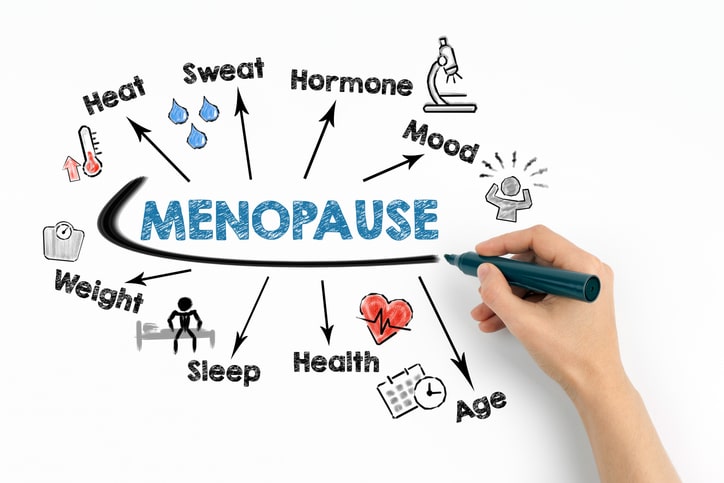
This article is the first in a series exploring menopause and nutrition. Throughout the coming weeks, we’ll take a look into some of the most common questions women have during perimenopause and menopause, including weight changes, protein needs, muscle loss, bone health, sleep, hot flashes, and the role nutrition can play in supporting overall health and well-being.
Understanding Menopause: What’s Happening to Your Body and Why It Matters
If you’ve started noticing irregular periods, difficulty sleeping, unexplained weight changes, or moments of brain fog, you may be entering perimenopause. While menopause is a natural stage of life, many women feel unprepared for the physical and emotional changes that can accompany it. Understanding what’s happening inside your body can help you navigate this transition with confidence and make informed decisions about your health.
Menopause is not a single event but rather a process that occurs over several years. Hormonal fluctuations can affect everything from your metabolism and energy levels to your mood and sleep quality. Learning about the stages of menopause and recognizing common menopause symptoms can help you better understand your body and seek support when needed.
Perimenopause vs. Menopause vs. Postmenopause
Many people use the term “menopause” to describe the entire transition, but there are actually three distinct stages.
Perimenopause
Perimenopause is the transitional period leading up to menopause. It typically begins in a woman’s 40s, although some women may notice changes as early as their mid-30s. During this stage, hormone levels begin to fluctuate, often causing noticeable symptoms.
Perimenopause can last anywhere from a few months to more than 10 years, with the average duration being around four to eight years.
Menopause
Menopause is officially diagnosed when a woman has gone 12 consecutive months without a menstrual period. In the United States, the average age of menopause is 51.
At this point, the ovaries have significantly reduced their production of estrogen and progesterone, and reproductive years have come to an end.
Postmenopause
Postmenopause refers to the years following menopause. While some symptoms such as hot flashes may improve over time, lower hormone levels continue to affect bone health, heart health, and body composition.
Understanding these stages is an important first step in recognizing the signs of menopause and knowing what to expect.
Hormone Changes During Menopause
The symptoms associated with menopause are largely driven by changes in three key hormones:
Estrogen
Estrogen levels begin fluctuating during perimenopause before eventually declining. Estrogen influences reproductive health, bone density, cardiovascular health, body composition, and brain function.
Progesterone
Progesterone typically declines before estrogen. Lower progesterone levels may contribute to sleep disturbances, anxiety, and irregular menstrual cycles.
Testosterone
Although often thought of as a male hormone, women produce testosterone as well. Testosterone levels gradually decrease with age and may affect muscle mass, energy levels, and libido.
These hormone changes during menopause affect multiple systems throughout the body, which is why symptoms can vary widely from woman to woman.
Common Menopause Symptoms
Every woman’s experience is different, but several symptoms are particularly common during perimenopause and menopause.
Hot Flashes and Night Sweats
Hot flashes are sudden sensations of heat that can spread throughout the body, often accompanied by sweating and flushing. Night sweats are hot flashes that occur during sleep and can significantly impact rest and recovery.
Sleep Disturbances
Many women report difficulty falling asleep, staying asleep, or waking up feeling rested. Hormonal fluctuations, night sweats, and stress can all contribute to poor sleep quality.
Brain Fog
Difficulty concentrating, forgetfulness, and mental fatigue are commonly reported during perimenopause. While brain fog can feel frustrating, it is a recognized symptom of hormonal changes.
Mood Changes
Fluctuating hormone levels may influence mood, leading to increased irritability, anxiety, or feelings of sadness. Sleep disruption can further contribute to emotional changes.
Weight Changes
Many women notice changes in body composition during midlife, particularly an increase in abdominal fat. While hormones play a role, aging, muscle loss, sleep quality, and lifestyle factors also contribute.
Irregular Periods
Changes in menstrual cycle length, flow, and frequency are often among the earliest perimenopause symptoms. Periods may become heavier, lighter, shorter, or more unpredictable before eventually stopping altogether.
Why Your Metabolism May Feel Different
One of the most common concerns women have during menopause is weight gain despite maintaining similar eating and exercise habits.
Several factors contribute to these changes:
- Declining estrogen levels can affect fat distribution.
- Age-related muscle loss can reduce calorie needs.
- Poor sleep may increase hunger and cravings.
- Increased stress can affect appetite and eating behaviors.
- Reduced physical activity may occur due to fatigue or busy schedules.
While metabolism does naturally slow with age, the changes are often less dramatic than many people believe. Preserving muscle through strength training and consuming adequate protein can help support metabolic health during menopause.
When to Talk to Your Healthcare Provider
Although menopause is a normal biological transition, you do not have to suffer through severe symptoms.
Consider speaking with your healthcare provider if:
- Symptoms interfere with daily life.
- Hot flashes are frequent or severe.
- Sleep disturbances affect your health and well-being.
- Mood changes become overwhelming.
- You experience unusually heavy bleeding.
- You have concerns about bone health or cardiovascular risk.
Your healthcare provider can help determine whether symptoms are related to menopause and discuss treatment options, including lifestyle changes, nutrition strategies, hormone therapy, or other interventions.
Final Thoughts
Menopause is a natural phase of life, but understanding the changes happening within your body can make the transition feel less overwhelming. By recognizing common menopause symptoms, understanding hormone changes during menopause, and seeking support when needed, you can take proactive steps to protect your health and quality of life.
Whether you’re just beginning to notice perimenopause symptoms or are already navigating menopause, knowledge is one of the most powerful tools you have for feeling your best during this stage of life.